 FREE SHIPPING FROM CHF 90.00


Café Crème is the long, aromatic coffee that we here in Switzerland often simply call “coffee.” It is brewed under pressure, which gives it its delicate crema.
Here you'll learn which beans to use, how to make Café Crème in a fully automatic machine or with a portafilter machine, and how it differs from espresso, lungo, and Americano.
Café Crème is a staple of everyday life in Switzerland: for breakfast, after a meal, or during a coffee break. “Schümli” is also a common name for it. It refers to the light-colored foam that forms on top of the coffee when it’s brewed.
The Swiss Café Crème isn't just filter coffee with cream. It's prepared like espresso using hot water and pressure but with a coarser grind and significantly more water. Its history is closely tied to the development of the fully automatic coffee machine, which made it possible to brew a large cup of coffee at the push of a button.
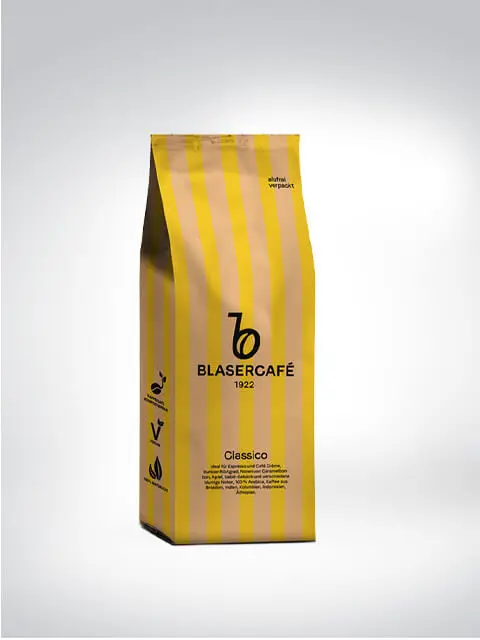
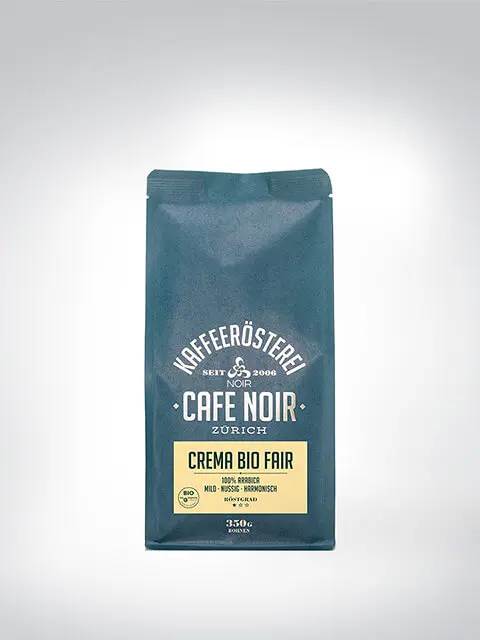
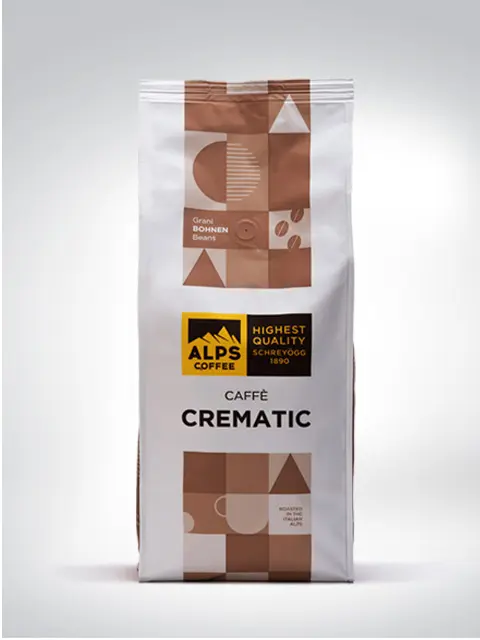
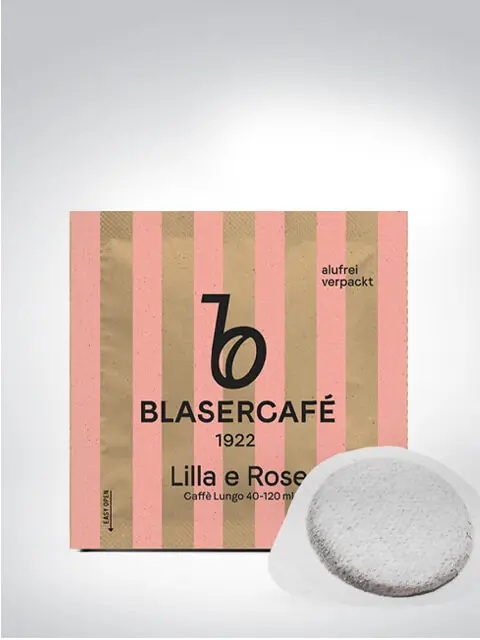
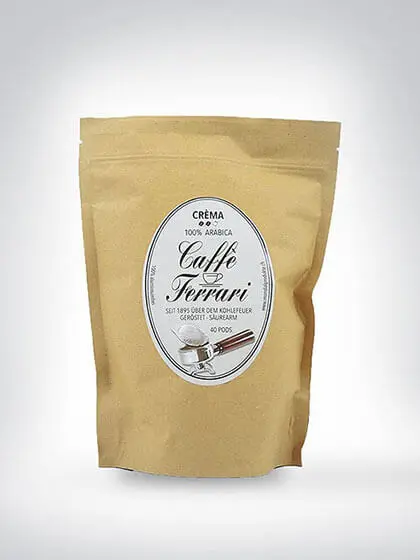
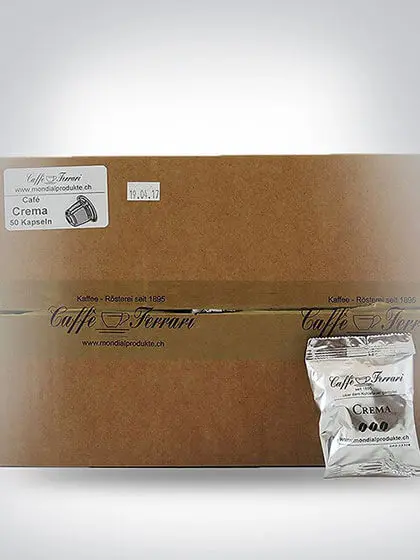
Discover our selection of coffee beans, E.S.E. pods, and capsules for an aromatic coffee experience.
Whether you prefer your Café Crème smooth and well-balanced, chocolatey and full-bodied, or decaffeinated—try different coffees and find your favorite.









This Is What a Café Crème Tastes Like
A well-balanced café crème has an aromatic and full-bodied flavor. Depending on the beans, notes of chocolate, nuts, caramel, or spices come through. Compared to espresso, it is less concentrated and yields a larger cup. A fine crema rounds out the drink.
The flavor doesn’t depend solely on the beans. Roasting, water quality, grind size, the amount of coffee, and the amount of brewed coffee also play a role. If the coffee is ground too finely or extracted for too long, it can taste bitter and dry. If it’s ground too coarsely or flows through too quickly, it comes across as thin and unbalanced.

Which beans are best?
Beans labeled “Café Crème” or “Caffè Crema” are suitable for Café Crème. However, it’s not just the label on the package that matters—it’s whether the roast matches the desired flavor.
- Arabica beans often offer a delicate aroma and a pleasant sweetness.
- Robusta beans can add more body and a richer crema.
- Medium roasts often result in a well-balanced, aromatic coffee.
- Darker roasts have a stronger flavor and often feature notes of cocoa, nuts, or roasted aromas.
You don’t have to commit to a specific blend. Try different beans and consider whether you prefer your Café Crème to be mild and sweet or strong and spicy.
How to Make Café Crème in a Fully Automatic Coffee Maker
A fully automatic coffee maker is the easiest option: It grinds the beans fresh and brews the coffee directly into the cup. Select the “Café Crème” or “Coffee” option and adjust the amount in small increments. A cup of about 120 to 150 ml is a good starting point. Start with a medium coffee strength.

If the coffee tastes weak, increase the coffee strength or reduce the amount of water.
If it tastes bitter or dry, select a coarser grind setting or a smaller serving size.
The scales and settings vary depending on the machine—so be sure to change only one setting at a time.
Café Crème with a portafilter machine
For a portafilter machine, Café Crème requires its own grind size. It is generally coarser than that used for espresso.

One possible basic recipe is:
- Coffee amount: about 15–18 g in a double portafilter
- Brewed coffee amount: about 120–150 g in the cup
- Extraction time: approximately 25–30 seconds as a starting point
As with any recipe, these values are guidelines. The machine, filter basket, grinder, and beans all affect the result. If the coffee flows too slowly and tastes bitter, set the grind size slightly coarser. If it flows very quickly and tastes thin or sour, grind it slightly finer. Adjust the grind size so that the coffee tastes balanced—the time alone doesn’t determine whether it’s successful.
Warm the cup so the coffee doesn't cool down right away while it's brewing. A cup with a capacity of about 150 to 200 ml provides enough room for the café crème and its crema. For a larger serving, you can use a bigger cup.
Auch das Wasser beeinflusst den Geschmack. Frisches, möglichst weiches Wasser lässt die Aromen besser zur Geltung kommen. Bei hartem oder stark kalkhaltigem Wasser lohnt sich ein Wasserfilter – beachte dabei die Hinweise des Maschinenherstellers und wechsle den Filter rechtzeitig.


The main difference between a Café Crème and an Americano is when the water is added to the cup: In a Café Crème, the water passes through the ground coffee during brewing; in an Americano, a prepared espresso is diluted with hot water beforehand. A Lungo, on the other hand, is a diluted espresso and is therefore not automatically the same as a Café Crème.
| Drink | Preparation | Typical Characteristics |
|---|---|---|
| Café Crème | Longer extraction time, usually with a coarser grind than espresso | Large cup, aromatic, with a fine crema |
| Espresso | Small serving size, quick extraction | Concentrated, strong, and full-bodied |
| Lungo | Espresso is brewed with more water passing through the ground coffee | Longer brew time; may taste strong or bitter depending on the recipe |
| Americano | Espresso is diluted with hot water after brewing | Large cup, usually with less crema than a Café Crème |
With Café Crème, the coffee takes center stage. Cappuccino contains espresso, hot milk, and milk foam. Latte macchiato consists mainly of milk, to which espresso is added. Café Crème is usually served black; you can add cream or milk to suit your taste.
Coffee Milk Foam/Crema
Nothing suitable here right now. Adjust your filters or explore another category.